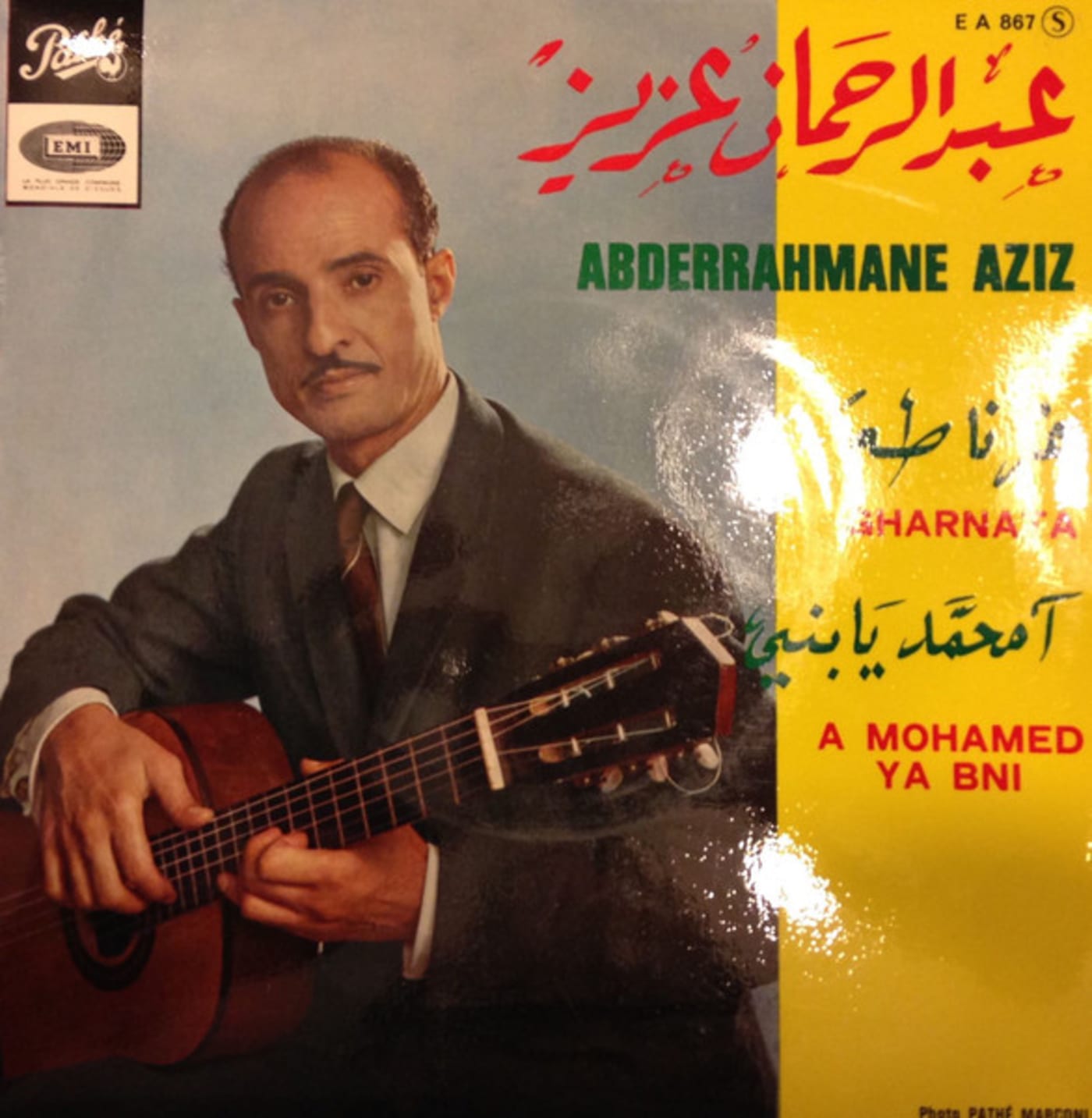
Abderrahmane Aziz — Star of the 1940s and Children's Music Pioneer
Abderrahmane Aziz was born on 5 July 1920 in Algiers and died in Blida on 6 February 1992. A celebrated singer who rose to fame in the 1940s, he later redirected his talents toward children's music at cultural centers in Blida.
15 November 2025
Born Abderrahmane Aït Mira on 5 July 1920 in the historic Casbah of Algiers, Abderrahmane Aziz became one of the beloved musical stars of mid-century Algeria — a figure who understood that music was not merely entertainment, but a force for cultural identity and community.
Rise to Fame
Aziz rose to prominence during the 1940s, a period of cultural ferment in colonial Algeria. He achieved commercial success with recordings in 1947 and 1952, establishing himself as a widely recognized voice across the country.
Theatre and Collaboration
Beyond singing, he pursued acting with the troupe of Mahieddine Bachetarzi at the Algiers Opera — one of the premier cultural institutions of the era. He collaborated with renowned Algerian artists and built a reputation as a versatile and generous performer.
A New Chapter in Blida
Following independence, Aziz redirected his creative energies toward children's music. He worked at educational institutions and cultural centers in Blida, composing melodic and poetic pieces for young audiences. Known for his enthusiasm and creative spirit, he brought the same artistry to children's culture that he had brought to popular music.
Legacy
Abderrahmane Aziz died on 6 February 1992 at Mustapha Hospital in Algiers and was interred in Blida — the city where he had spent his later years and left a lasting mark on its cultural life. He stands as a reminder that great artists often find their most meaningful work not in the spotlight, but in the quiet, transformative act of nurturing the next generation.