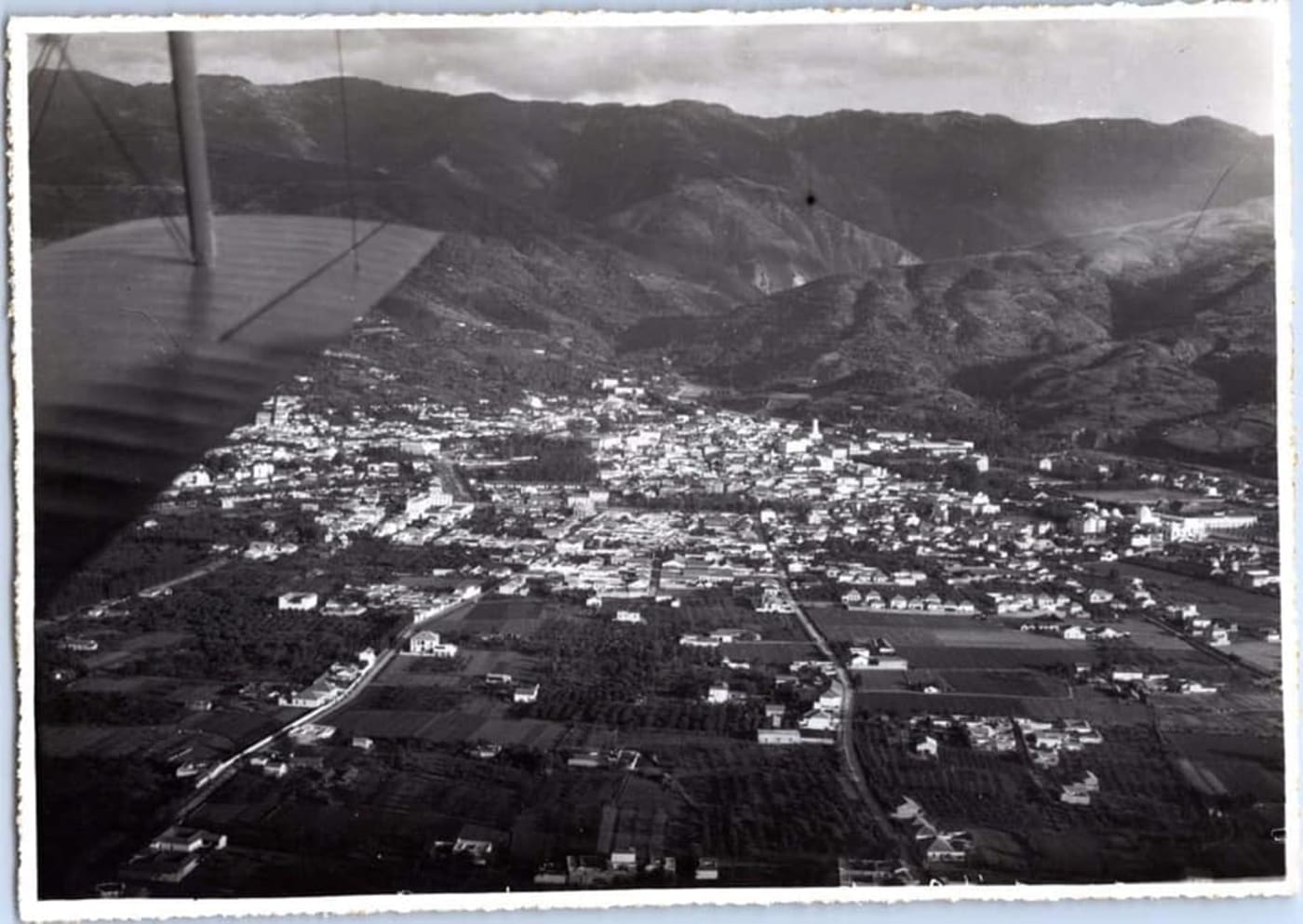
Earthquake of 1931
The El Hamdania earthquake of 4 March 1931 shook Blida and surrounding localities, generating tremors, structural damage, and widespread alarm recorded by colonial-era observers.
1 January 2025
Overview
On 4 March 1931, the El Hamdania earthquake struck Blida and the surrounding region. Colonial-era reports recorded tremors, structural damage, and eyewitness observations across multiple localities in the Mitidja and Atlas zones. The earthquake is named after El Hamdania, a locality near the epicentre.
Documentation
The 1931 event is relatively well documented due to the colonial administrative apparatus: French authorities maintained seismic records, and local newspapers reported damage assessments and casualty figures. This makes it one of the better-sourced historical seismic events in Blida's record.
Significance
The 1931 earthquake occurred during the consolidation of French colonial Blida — a period when the city had its full colonial urban character, including its grid layout, European boulevards, the [[culture/architecture/music-kiosk|Music Kiosk]] in the central square, and the network of churches and civic buildings. Structural damage from the earthquake prompted further reinforcement of colonial-era architecture.
Connections
- Third major earthquake in Blida's recorded history, after [[archives/history/earthquake-1825|1825]] and [[archives/history/earthquake-1867|1867]]
- The colonial urban fabric damaged included [[culture/religion/saint-charles-church|Saint-Charles Church]] and other civic landmarks
- Contemporary Blida is still seismically active; the Atlas fault system remains geologically relevant to [[lifestyle/places/parc-national-chrea|Chréa National Park]] and surrounding mountains